The Real Difference Between a Realtor and a Real Estate Agent
Most people use the words "realtor" and "real estate agent" like they mean the same thing. You hear it on TV, from friends, even from people who work in the business. And most of the time nobody stops to ask if there's actually a difference.
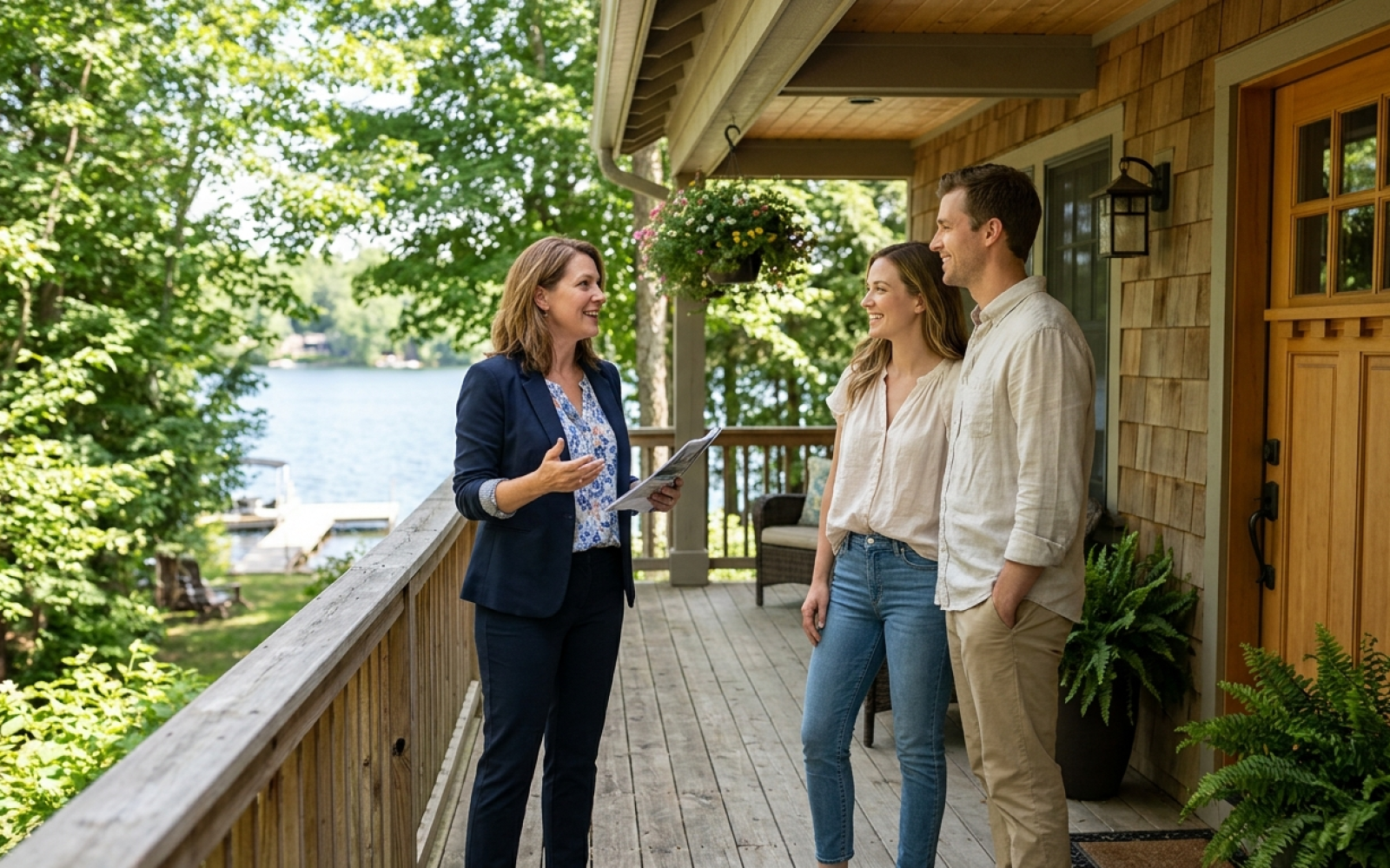
But there is one. It's not a huge one, but it's worth knowing before you hand someone the keys to one of the biggest money decisions you'll ever make. Whether you're buying your first place in Spirit Lake or selling a cabin on West Lake Okoboji, the person you hire will guide every step, from pricing and offers all the way to closing day.
In this guide, we'll walk through what a real estate agent is, what makes someone a REALTOR®, where a real estate broker fits in, and how to check who you're really working with. No industry jargon, just plain answers.
The Short Answer
A real estate agent is anyone who holds a state license to help people buy, sell or rent property. A REALTOR® is a licensed agent who has also joined the National Association of REALTORS® (NAR) and agreed to follow its Code of Ethics.
So the difference comes down to membership and a promise. Both can legally help you with a home sale. Only one has signed up to a national set of ethics rules on top of what the state requires.
Quick Takeaway
Every REALTOR® is a real estate agent, but not every real estate agent is a REALTOR®.
What Is a Real Estate Agent?
A real estate agent is a person licensed by the state to represent buyers or sellers in a property deal. In Iowa, the official title is "real estate salesperson," but almost everyone just says agent.
An agent's day-to-day work looks pretty familiar. They help sellers price and market a home, help buyers find and tour homes, write up offers, negotiate, and keep the deal moving until closing. If you want the full picture of what that looks like on the buying side, our guide on what an agent can do for the buyer breaks it down.
How someone becomes an agent in Iowa
Getting licensed in Iowa takes a few clear steps:
- Finish a 60-hour pre-license course. It covers real estate principles and practices and has to come from an approved school, either live or online.
- Pass the licensing exam. The exam has two parts, a state portion and a national portion. You can only sit for it after finishing the 60 hours.
- Work under a broker. A new agent can't go off on their own. Their license is tied to a broker or firm that supervises their work.
- Keep learning. To renew an active license, an Iowa agent needs at least 36 hours of approved continuing education.
That license is what makes someone legally allowed to help you buy or sell. It's the baseline every agent has to meet, REALTOR® or not.
What Is a REALTOR®?
A REALTOR® is a licensed real estate agent (or broker) who is also a member of the National Association of REALTORS®. NAR is the largest real estate trade group in the country, with about 1.44 million members as of mid-2026.
Joining isn't automatic. An agent has to choose to become a member, usually through their local and state REALTOR® associations, and pay dues to stay in. Here around the lakes, that local group is the Iowa Great Lakes Board of REALTORS®.
The Code of Ethics is the big difference
When an agent becomes a REALTOR®, they agree to follow NAR's Code of Ethics. In simple terms, it asks them to:
- Put their client's interests ahead of their own
- Be honest with everyone in the deal, not just their client
- Not hide or twist important facts about a property
- Treat all buyers and sellers fairly
- Take ethics training on a regular schedule to keep their membership
A lot of this lines up with what state law already expects. The difference is that the Code goes a step further, and there's a formal process to file a complaint against a REALTOR® who breaks it.
Why the word is always capitalized
You've probably noticed REALTOR® written in all caps with a little ® symbol. That's because it's a registered trademark owned by NAR. Only members are allowed to call themselves REALTORS®. So when someone uses the title, they're telling you they're a member and that they've signed on to the Code of Ethics.
Where Does a Real Estate Broker Fit In?
A broker is one step up from an agent. They've had more training and more time in the business, and the state lets them do things an agent can't do on their own.
In Iowa, someone can't apply for a broker license until they've worked as an active agent for at least 24 months. On top of that, they need to finish another 60 hours of broker courses covering topics like contract writing, trust accounts, real estate law and finance, and then pass the broker exam.
So what does a broker actually do differently? A few key things:
- They can run their own firm. A broker can open a brokerage and hire agents to work under them.
- They supervise agents. Agents work under a broker, who's responsible for making sure deals are handled the right way.
- They handle client money. Brokers manage the trust accounts that hold funds like earnest money, which is why trust accounting is part of their training.
And just like agents, a broker can be a REALTOR® too, as long as they join NAR. That's why you'll sometimes see someone listed as a "broker" and a "REALTOR®" at the same time.
Realtor vs Agent vs Broker at a Glance
Here's how the three titles stack up side by side.
| Real Estate Agent | REALTOR® | Broker | |
|---|---|---|---|
| State license | Yes | Yes | Yes, a broker license |
| Training in Iowa | 60-hour course + exam | Same as an agent or broker, plus regular ethics training | 2 years as an agent + 60 more hours + broker exam |
| Follows NAR Code of Ethics | Not required | Yes | Only if they join NAR |
| Works under a broker | Yes | Yes, unless they are also a broker | No, can run their own firm |
| Can help you buy or sell | Yes | Yes | Yes |
Does the Difference Matter When You Buy or Sell?
For most buyers and sellers, yes, it matters. But maybe not for the reason you'd think.
A REALTOR® and a regular licensed agent can both legally list your home, show you houses and write your offer. The real difference is accountability. A REALTOR® has agreed to a stricter set of rules, and if they break them, you have somewhere to go. That extra layer of protection can give you a lot more peace of mind when there's real money on the line.
Membership often comes with practical tools too. Many local MLS systems, the shared databases agents use to list and find homes, are run by REALTOR® boards. If you're curious how that works, we explain it in our guide on what the MLS is in real estate.
The title isn't everything
To be fair, there are good agents out there who aren't REALTORS®, and having the title doesn't make someone great at the job. Think of it as a good starting point, not a guarantee.
What matters just as much is the person behind the title: how long they've been working your market, how well they communicate, and how they've done for past clients. Our post on why choosing the right real estate agent matters goes deeper into what to look for. And if you're wondering how your agent gets paid, whatever their title, we cover that in how real estate agents are paid.
How to Check Who You're Working With
You don't have to take anyone's word for it. Checking an agent's license and membership only takes a few minutes, and it's worth doing before you sign anything.
3 Quick Ways to Check Your Agent
Look up their license. Iowa's Department of Inspections, Appeals, and Licensing (DIAL) lets you confirm an agent or broker license is active.
Check for the REALTOR® title. Look for it on their business card, website or email signature, and confirm with their local REALTOR® board if you're unsure.
Just ask. A good agent will happily tell you their license type, how long they've been in the business, and whether they're a REALTOR®.
While you're asking questions, don't stop at the title. Ask how many homes they've sold in your area, how they plan to market your home or find you one, and how often you'll hear from them. The answers will tell you more than any badge.
Working With a REALTOR® Around Lake Okoboji
Buying or selling around the Iowa Great Lakes isn't quite like anywhere else. Lake homes come with things like shoreline, docks and boat lifts. The market swings with the seasons, and a home on West Lake Okoboji can price very differently from one a few blocks off the water. That's a lot to sort through without someone who knows the area inside and out.
That's where an experienced local REALTOR® makes a real difference. We talk more about this in why choosing an experienced REALTOR® matters in a lake property market.
Aaron Jones is a REALTOR® with RE/MAX Lakes Realty in Arnolds Park, licensed in both Iowa and Minnesota. He holds the ABR® and SRS designations, which focus on representing buyers and sellers, and has earned the RE/MAX Lifetime Achievement honor. Whether you're looking for a lake cabin, a year-round home in town or ready to sell, Aaron and the Boji Homes team can help you every step of the way.
Want a REALTOR® Who Knows the Lakes?
Talk with Aaron Jones about buying or selling around Okoboji. No pressure, just honest answers.
Call Aaron: 712.320.9442
The Bottom Line
Every REALTOR® is a real estate agent, but not every agent is a REALTOR®. Agents and brokers are licensed by the state. REALTORS® take it a step further by joining NAR and promising to follow its Code of Ethics.
The title is a helpful starting point when you're choosing who to work with. Pair it with local experience, clear communication and a solid track record, and you'll be in good hands. If you're thinking about buying or selling around the lakes, give Aaron a call. He's happy to answer your questions, even if you're just getting started.
Recent Blog

Tired of Guessing Where to Eat? Restaurants in West Okoboji
Between Arnolds Park, Okoboji, and Spirit Lake, you should be able to plan ahead and prepare your budget, especially if you're visiting for the first time and don't know which spots are actually worth your time.
Read MoreTired of Guessing Where to Eat? Restaurants in West Okoboji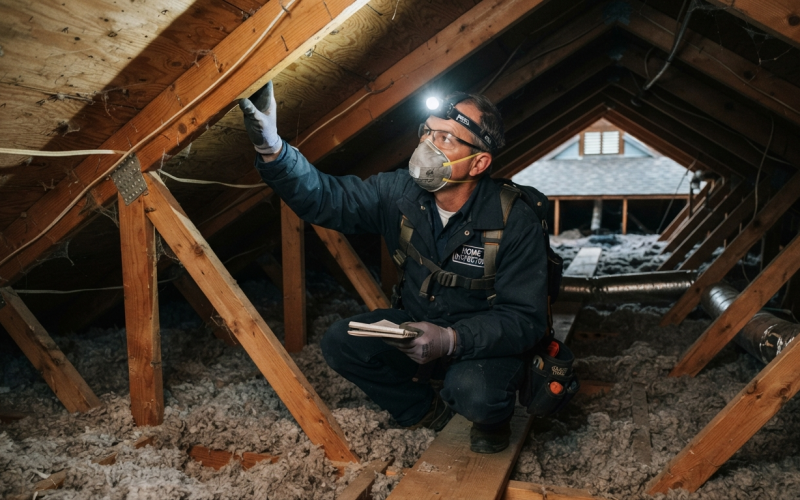
Should I Get A Home Inspection As A Seller?
Getting a professional home inspection as a seller helps you catch issues early, avoid surprises during negotiations, and set a fair, accurate asking price.
Read MoreShould I Get A Home Inspection As A Seller?
How Do I Prepare My Home To Sell?
Preparing your home to sell involves decluttering, deep cleaning, minor repairs, staging, and improving curb appeal to attract buyers and boost value.
Read MoreHow Do I Prepare My Home To Sell?
Steps In The Home Buying Process
Buying a home involves several key steps, from budgeting and mortgage pre-approval to house hunting, making an offer, and closing on your new property.
Read MoreSteps In The Home Buying Process
How To Choose The Right Location For Your Next Home?
Picking the right location for your next home involves schools, commute times, safety, walkability, and long-term property value trends to weigh before buying.
Read MoreHow To Choose The Right Location For Your Next Home?
How to Sell a House Without a Realtor
Selling a house without a realtor means handling the sale yourself instead of hiring a real estate agent. This is commonly known as For Sale By Owner (FSBO).
Read MoreHow to Sell a House Without a Realtor
What is A Mortgage Pre-Approval?
In the real estate world, pre-approval means you get an assessment of your ability to secure a loan by the lender for a specified amount. This assessment will be based on your income, assets and credit history.
Read MoreWhat is A Mortgage Pre-Approval?
What Can An Agent Do For The Buyer?
A buyer’s agent helps you find the right home, negotiate the best price, navigate contracts, and avoid costly mistakes throughout the process.
Read MoreWhat Can An Agent Do For The Buyer?
How Much House Can I Afford?
The "28" means no more than 28% of your gross monthly income should go toward housing expenses. The "36" refers to total debt, which includes your housing costs plus other monthly debts.
Read MoreHow Much House Can I Afford?
Types of Real Estate Loans
Types of real estate loans include conventional, FHA, VA, USDA, jumbo, fixed-rate, and adjustable-rate mortgages.
Read MoreTypes of Real Estate Loans
What Is Title Insurance?
Title insurance protects buyers and lenders from legal or ownership issues tied to a property, even after the sale is completed.
Read MoreWhat Is Title Insurance?
What Exactly Is Escrow? And Why It’s So Important When You Buy a Home
Escrow is a secure process where a third party holds money and documents until all parts of the real estate deal are completed.
Read MoreWhat Exactly Is Escrow? And Why It’s So Important When You Buy a Home